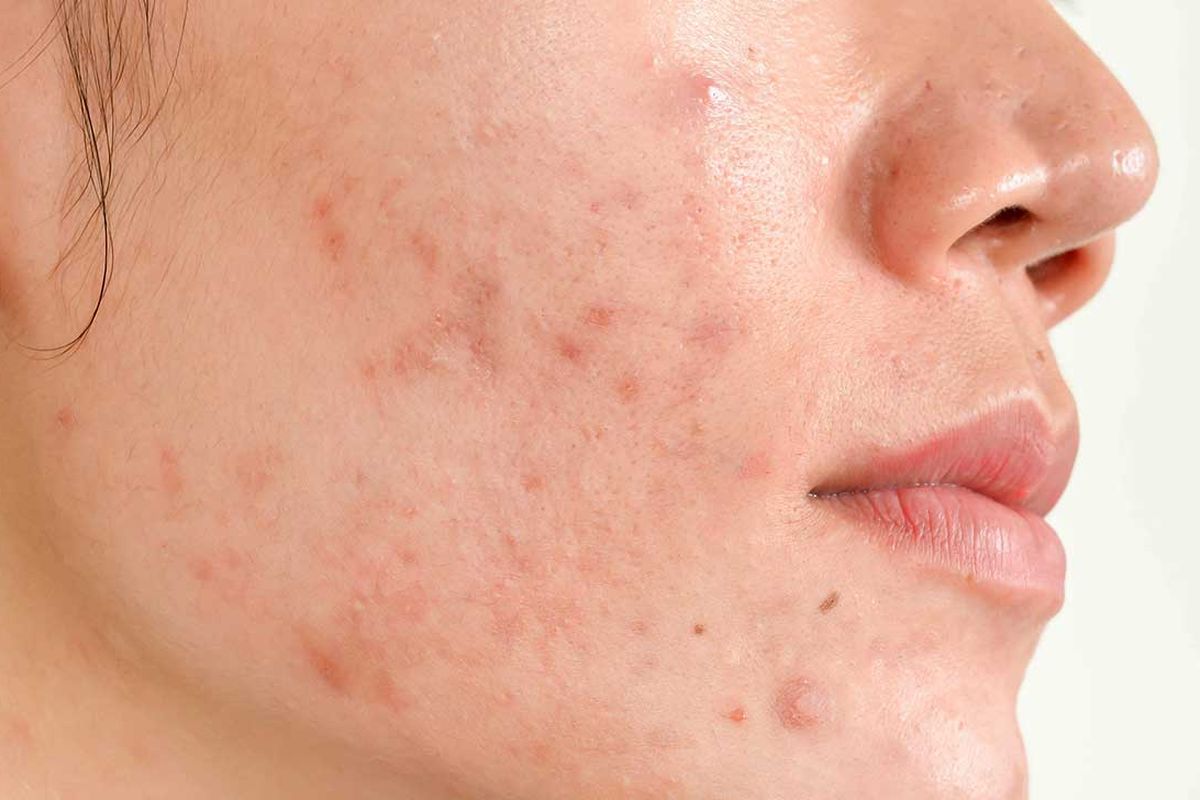
Neither physical nor chemical exfoliation is universally superior, the right choice depends entirely on your skin type, tolerance, and specific concerns. Physical exfoliants use granules or tools to manually slough away dead skin cells, while chemical exfoliators rely on acids or enzymes to dissolve the bonds holding those cells to your skin’s surface. If you have sensitive or acne-prone skin, chemical exfoliators typically deliver gentler, more controlled results. Those with resilient, thicker skin often enjoy the immediate smoothness physical methods provide.
The confusion between these two approaches is understandable. Walk into any skincare aisle and you’ll find scrubs promising radiance alongside bottles of mysterious-sounding AHAs and BHAs. Both methods aim to reveal fresher, brighter skin beneath the dull outer layer, but they take fundamentally different paths to get there. Physical exfoliation works on the surface, offering tactile satisfaction and instant texture improvement. Chemical exfoliation penetrates deeper, targeting concerns like hyperpigmentation and fine lines with precision that manual methods simply cannot match.
Your skin’s unique characteristics should guide this decision, not trending ingredients or marketing claims. Some people thrive with a gentle scrub twice weekly, while others see transformative results from a carefully selected glycolic or salicylic acid formula. Understanding how each method works, what results to expect, and which warning signs to watch for will help you build an exfoliation routine that genuinely serves your skin rather than compromising its protective barrier.
Physical vs. Chemical Exfoliation: At-a-Glance Comparison
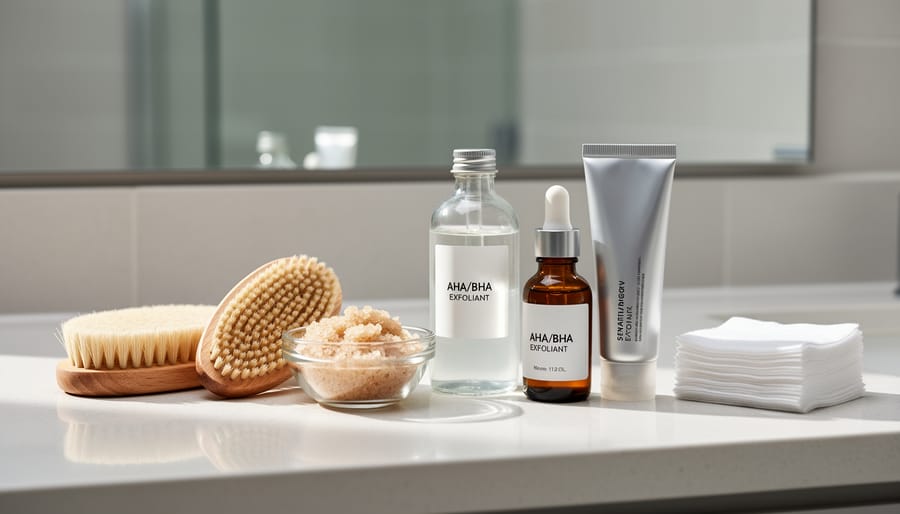
Before diving deep into the science and specifics, here’s a side-by-side snapshot of how physical and chemical exfoliation compare across the factors that matter most for your skin.
| Factor | Physical Exfoliation | Chemical Exfoliation |
|---|---|---|
| Mechanism | Manual scrubbing removes dead cells from surface | Acids or enzymes dissolve bonds between dead cells |
| Best For | Resilient, non-sensitive skin; immediate smoothness | Sensitive, acne-prone, or aging skin; deeper renewal |
| Frequency | 1-3 times per week depending on product intensity | Daily to weekly based on acid strength and tolerance |
| Results Timeline | Instant smoothness and glow after each use | Gradual improvement over 2-4 weeks with consistent use |
| Key Benefits | Immediate texture refinement, budget-friendly, tactile control | Cellular turnover, targets pigmentation and fine lines, customizable depth |
This comparison reveals a fundamental trade-off: physical exfoliation delivers quick, surface-level results you can feel right away, while chemical methods work progressively at a deeper level to address concerns like uneven tone, clogged pores, and signs of aging. Neither approach is universally superior. The right choice hinges on what your skin needs now and the results you’re aiming for long-term.
Understanding Your Exfoliation Options
What Physical Exfoliation Is
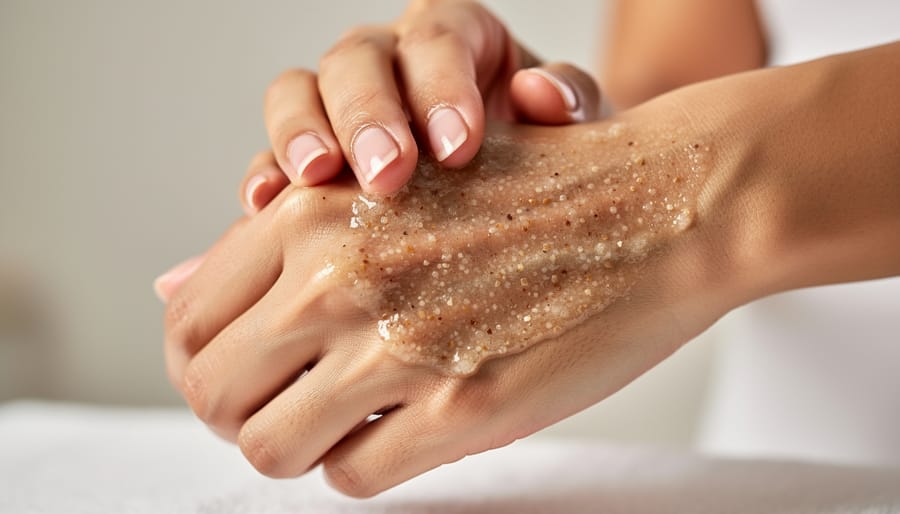
Physical exfoliation removes dead skin cells through direct mechanical action. When you use an abrasive substance or tool to physically buff away the outermost layer of skin, you’re engaging in this traditional form of exfoliation that delivers instant, visible smoothness.
The method works through friction. As the exfoliating material moves across your skin’s surface, it loosens and lifts away dead cells, flaky patches, and surface debris. You can feel the texture change immediately, your skin becomes noticeably smoother within seconds of rinsing. This tactile feedback makes physical exfoliation particularly satisfying for those who want to see and feel results right away.
Common techniques include:
- Scrubs containing sugar, salt, ground coffee, or biodegradable jojoba beads that manually polish the skin
- Cleansing brushes with rotating or sonic bristles that provide controlled exfoliation during your regular cleanse
- Loofahs and bath sponges that create gentle friction when used with soap or body wash
- Exfoliating gloves or mitts made from textured fabric for full-body buffing
- Microdermabrasion devices that use fine crystals or diamond tips to resurface skin at a professional level
The intensity varies dramatically. A gentle rice powder scrub offers mild exfoliation, while a professional microdermabrasion treatment removes significantly more dead skin through controlled abrasion. The key difference across all physical methods is that they work on the surface, they don’t penetrate into pores or between cells. You control the pressure, the duration, and the area treated, giving you immediate command over the exfoliation process. What you remove during a single session is what comes off in that moment, with no ongoing cellular activity after you rinse.
What Chemical Exfoliation Is
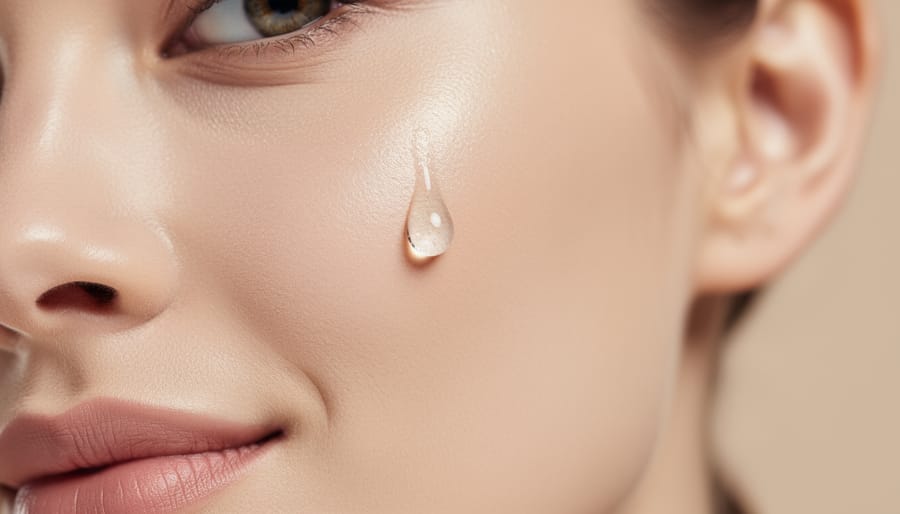
Chemical exfoliation takes a completely different approach to removing dead skin cells. Instead of physically scrubbing them away, chemical exfoliants use carefully formulated acids or enzymes that dissolve the intercellular glue holding dead cells to your skin’s surface. This process happens at a molecular level, allowing these ingredients to work beneath the visible surface without any manual friction or abrasive action.
The beauty of chemical exfoliation lies in its precision and depth. These formulations can penetrate beyond what any scrub can reach, targeting the bonds between cells and encouraging natural shedding processes. The result is often more uniform and controlled than mechanical methods, with benefits that extend well beyond simple surface smoothing.
- Alpha Hydroxy Acids (AHAs)
- Water-soluble acids like glycolic and lactic acid that work on the skin’s surface to dissolve dead cells and improve texture, tone, and hydration. They’re particularly effective for dry skin, sun damage, and fine lines.
- Beta Hydroxy Acids (BHAs)
- Oil-soluble acids, primarily salicylic acid, that penetrate into pores to clear out excess sebum and debris. BHAs are ideal for oily, acne-prone, and congested skin.
- Enzymatic Exfoliants
- Naturally derived enzymes from fruits like papaya and pumpkin that gently digest dead skin proteins without affecting living cells. These offer the mildest form of chemical exfoliation, suitable for sensitive skin.
What makes chemical exfoliation particularly appealing is its versatility. Different acids and enzymes can be selected and combined to address specific skin concerns, from acne and enlarged pores to hyperpigmentation and signs of aging. The concentration and pH of the formula determine its strength and how deeply it works. At-home products typically contain lower concentrations for gentle daily or weekly use, while professional treatments at clinics use higher-strength formulations for more dramatic results under controlled conditions.
Comparing Physical and Chemical Exfoliation: What Really Matters
How They Work on Your Skin
The fundamental difference between physical and chemical exfoliation lies in how each method removes dead skin cells and where that action occurs within your skin’s structure.
Physical exfoliation works through mechanical friction. When you massage a scrub or glide a brush across your skin, you’re manually dislodging dead cells from the stratum corneum, your skin’s outermost layer. This surface-level action delivers immediate results you can feel, but it rarely penetrates deeper than the topmost layer. The intensity depends entirely on how much pressure you apply and the coarseness of your exfoliant, which makes control somewhat unpredictable. Aggressive scrubbing can remove not just dead cells but also compromise the healthy cells beneath them.
Chemical exfoliants take a different approach. Rather than scraping away surface debris, acids and enzymes dissolve the protein bonds holding dead cells together. AHAs work primarily at the skin’s surface while also attracting moisture, whereas BHAs penetrate into pores because they’re oil-soluble. This penetration allows chemical exfoliants to address concerns below the visible surface, including clogged pores and uneven pigmentation. The depth and intensity depend on the acid concentration and pH level rather than physical pressure, offering more predictable, consistent results across your entire face.
Effectiveness for Different Skin Types
Your skin type fundamentally determines which exfoliation method will deliver results without causing harm.
Sensitive skin typically responds poorly to physical exfoliation. The mechanical friction can trigger redness, irritation, and inflammation, compromising your skin’s protective barrier. Gentle chemical exfoliants like lactic acid or enzymatic formulas work better here, dissolving dead cells without abrasive contact. Your skin’s lower resilience means it cannot recover quickly from aggressive scrubbing.
Oily and acne-prone skin benefits most from chemical exfoliation, particularly BHAs like salicylic acid that penetrate pores and dissolve oil buildup. Physical scrubs often spread bacteria and can worsen breakouts despite feeling satisfying. The anti-inflammatory properties of chemical exfoliants address the root cause rather than just surface texture.
Dry skin faces risks with both methods. Physical exfoliation can strip essential oils, while strong acids may increase dryness. Gentle physical methods or hydrating AHAs like lactic acid offer better outcomes when combined with proper moisturization.
Mature skin typically tolerates chemical exfoliation exceptionally well. AHAs stimulate collagen production and address fine lines more effectively than surface-level physical methods. Your skin’s thicker texture can handle regular acid treatments.
Combination skin often requires a strategic approach, potentially using gentler physical exfoliation on resilient zones and targeted chemical treatments on problem areas.
Safety and Risk Profile
Both exfoliation methods carry risks when used incorrectly, but understanding these helps you avoid problems.
Physical exfoliation’s primary risk is mechanical damage. Scrubbing too hard or using rough particles creates micro-tears in your skin’s surface, compromising its protective barrier. These microscopic wounds increase vulnerability to bacteria, inflammation, and infection. Sharp-edged scrubs like crushed walnut shells are particularly problematic. Over-exfoliating causes redness, rawness, and persistent sensitivity that takes days to heal.
Chemical exfoliation presents different concerns. AHAs and BHAs increase photosensitivity, making your skin more susceptible to sun damage and hyperpigmentation. This risk persists for several days after application. Chemical sensitivities vary widely between individuals, and acids that work beautifully for one person may trigger burning, peeling, or allergic reactions in another. Over-use disrupts your skin’s pH balance and strips away protective oils, leading to paradoxical dryness and increased oil production.
The safety principles mirror those in laser treatment safety: start conservatively, increase intensity gradually, and respect your skin’s response signals.
For physical exfoliation, use gentle pressure with circular motions, limit sessions to once or twice weekly, and choose products with smooth, uniform particles. For chemical exfoliants, begin with lower concentrations, always apply broad-spectrum SPF 30+ the next day, and never layer multiple acids without professional guidance.
Results and Timeline
Physical exfoliation delivers gratifying immediacy. Run a scrub across your skin, and you’ll feel the difference within seconds, smoother texture, a slight glow, visible removal of flaky patches. That instant tactile feedback makes it satisfying and easy to gauge effectiveness on the spot. The results are surface-level, though, lasting a few days before dead skin cells accumulate again.
Chemical exfoliation operates on a different timeline entirely. After your first application of glycolic or salicylic acid, you might notice minimal change. The acids are dissolving cellular bonds and triggering deeper renewal processes that unfold gradually. Consistent use over three to six weeks reveals the true payoff: refined texture, evening of tone, reduction in hyperpigmentation, and improved cellular turnover that continues as long as you maintain the routine. This cumulative effect mirrors how other treatments like the LLLT results timeline requires patience for cellular-level changes.
Realistic expectations matter. Physical exfoliation offers quick fixes before events but won’t address underlying concerns like sun damage or fine lines. Chemical exfoliation demands commitment and consistency, rewarding those willing to wait with lasting improvements you can’t achieve through scrubbing alone.
Which Exfoliation Method Is Right for You?
Choose Physical Exfoliation If…
Physical exfoliation works best when you’re someone who enjoys seeing and feeling instant results. If you run your hand over your face and immediately notice smoother, softer skin, that tactile feedback can be incredibly satisfying and helps you gauge what’s working.
You’re an ideal candidate if your skin is naturally resilient, meaning you rarely experience irritation from new products, don’t have active breakouts, rosacea, or inflammatory conditions, and your skin tends to recover quickly from minor aggravation. People with thicker, more robust skin often tolerate and benefit from the mechanical action without adverse effects.
Budget-conscious individuals appreciate that physical exfoliation offers effective results without significant investment. A quality scrub or exfoliating tool costs far less than professional-grade chemical exfoliants and can last months with proper use.
Physical exfoliation also shines when you need quick results before an event. Planning to attend a wedding this weekend? A gentle scrub two days before gives your skin that polished, photo-ready glow without the potential flaking or adjustment period that some chemical exfoliants require.
If you prefer straightforward routines with minimal waiting time and your skin doesn’t show signs of sensitivity, physical exfoliation delivers reliable, immediate smoothness you can both see and feel.
Choose Chemical Exfoliation If…
Chemical exfoliation becomes the standout choice when your skin demands precision and gentleness over mechanical abrasion. If you have sensitive skin that reddens or reacts easily, acids work beneath the surface without the friction that triggers inflammation. Similarly, acne-prone skin benefits enormously: salicylic acid penetrates pores to dissolve oil and debris from within, addressing breakouts at their source rather than risking the spread of bacteria through scrubbing.
Those pursuing anti-aging results find chemical exfoliants particularly effective. Glycolic and lactic acids stimulate collagen production and accelerate cell turnover, gradually softening fine lines and improving skin texture in ways physical methods cannot replicate. Hyperpigmentation, dark spots, and uneven tone also respond better to consistent chemical exfoliation, which works progressively to fade discoloration over time.
Choose this route if you want controlled, predictable results without guesswork about pressure or technique. For concerns like deep sun damage, stubborn melasma, or significant textural issues, professional-grade chemical peels at our clinic offer higher concentrations and expert application, delivering transformative results safely under trained supervision. We assess your specific needs and create protocols tailored to your skin’s tolerance and goals.
When to Combine Both Approaches
You don’t need to choose one exfoliation method exclusively. Many people benefit from alternating gentle physical exfoliation for quick smoothness before special events with regular chemical exfoliants that deliver cumulative cellular renewal. The key is spacing them properly, typically physical exfoliation once weekly and chemical treatments 2-3 times weekly on alternate days, to avoid over-exfoliating. At Body Sculpting Laser Clinic, our professionals assess your skin’s tolerance and design hybrid protocols that might pair at-home chemical exfoliation with periodic in-clinic microdermabrasion, or integrate exfoliation with complementary treatments like our light therapy option for comprehensive skin rejuvenation.
Professional Exfoliation Treatments at Body Sculpting Laser Clinic
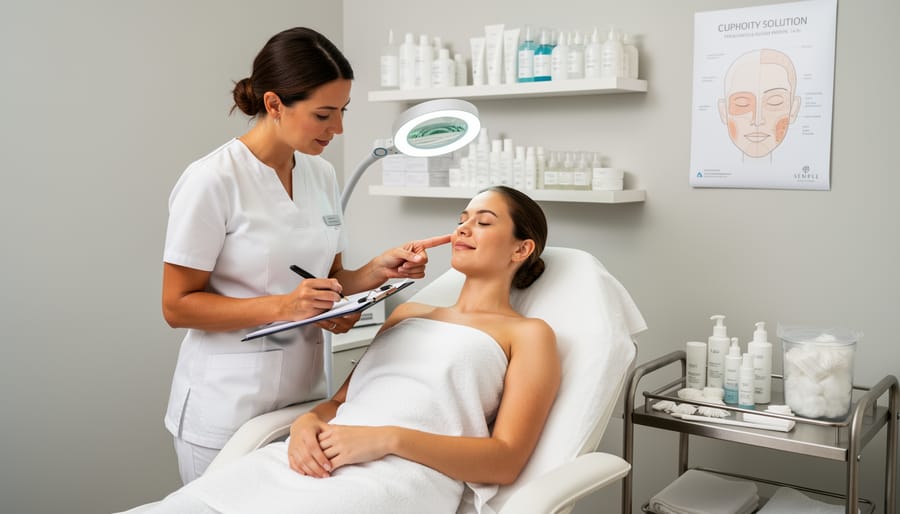
While at-home exfoliation maintains your skin between visits, professional treatments at Body Sculpting Laser Clinic deliver transformative results that simply aren’t possible with drugstore products. Our advanced exfoliation services combine clinical-grade technology with personalized protocols designed for your specific skin type and concerns.
Our microdermabrasion treatments use precision diamond-tip technology to physically exfoliate with controlled depth and consistency, removing dead cells while stimulating collagen production beneath the surface. Unlike manual scrubs, this method allows our trained aestheticians to target problem areas with surgical precision while maintaining uniform treatment across your entire face.
For chemical exfoliation, we offer medical-grade peels ranging from gentle lactic acid formulations to more intensive TCA peels, each calibrated to your skin’s tolerance and your desired outcomes. These professional-strength solutions penetrate deeper than over-the-counter products, addressing stubborn hyperpigmentation, acne scarring, and advanced signs of aging that home treatments can’t reach.
What sets our approach apart is customization. During your consultation, we assess your skin’s current condition, sensitivity levels, and goals to design a treatment plan that may combine physical and chemical methods, or integrate exfoliation with our laser skincare treatments for comprehensive rejuvenation. Our team monitors your progress across sessions, adjusting protocols as your skin responds and improves.
Safety protocols at all our Ontario locations ensure optimal results without compromise, with pre-treatment skin analysis, proper sun protection guidance, and post-treatment care instructions tailored to your daily routine.
Frequently Asked Questions
How often should I exfoliate my skin?
Physical exfoliation works best 1-2 times per week for most skin types, while chemical exfoliants can typically be used 2-3 times weekly or even daily depending on the product concentration and your skin’s tolerance. Start conservatively and adjust based on how your skin responds.
Can I use both physical and chemical exfoliation in my routine?
Yes, but timing matters. Use them on alternating days rather than together, and reduce overall frequency to avoid over-exfoliation. Many people find success using a gentle physical exfoliant once weekly and a chemical exfoliant 1-2 times weekly.
Is exfoliation safe during pregnancy?
Gentle physical exfoliation is generally considered safe during pregnancy, but some chemical exfoliants, particularly higher-concentration AHAs and BHAs, may warrant caution. Consult your healthcare provider before introducing or continuing any exfoliation regimen while pregnant or nursing.
What should I avoid immediately after exfoliating?
Skip harsh actives like retinoids for 24 hours, avoid direct sun exposure, and never exfoliate before procedures like waxing or laser treatments. Always apply broad-spectrum SPF 30 or higher the morning after chemical exfoliation, as your skin will be more photosensitive.
If you experience persistent irritation, unexpected breakouts, or feel uncertain about which method suits your skin, that’s when to see a pro. Professional assessment can identify underlying concerns and create a customized exfoliation protocol that works with your skin rather than against it, ensuring you achieve results safely and efficiently.
What Each Option Is
Physical exfoliation removes dead skin cells through manual scrubbing or friction. This method relies on abrasive particles, tools, or textured materials that physically buff away the outermost layer of skin when you rub them across your face or body. Think of it as sweeping away dead cells with mechanical action. Common forms include facial scrubs with natural granules like sugar or jojoba beads, cleansing brushes, exfoliating gloves, and professional treatments like microdermabrasion.
Chemical exfoliation dissolves the bonds holding dead skin cells together using acids or enzymes. Rather than scrubbing, you apply a product containing active ingredients that work beneath the surface to break down cellular connections. This allows dead cells to shed naturally without physical friction. The main categories include alpha hydroxy acids like glycolic and lactic acid, beta hydroxy acids like salicylic acid, and fruit enzymes from papaya or pumpkin. These formulas come as toners, serums, masks, and peels.
Both methods achieve the same goal of removing dead skin buildup, but they take fundamentally different paths to get there.
Who Should Choose Which
Physical exfoliation works best if you have resilient, non-sensitive skin and crave that immediate smooth feeling after cleansing. It’s your method if you’re preparing for an event tomorrow and need visible results now, or if you prefer straightforward, tangible skincare rituals you can control. People with thicker skin or those who rarely experience redness typically handle physical methods well.
Chemical exfoliation suits you if your skin is sensitive, acne-prone, or showing signs of aging. Choose this route when you’re targeting stubborn concerns like hyperpigmentation, fine lines, or uneven texture that require deeper cellular action. It’s ideal if you want consistent, progressive improvement without the risk of micro-abrasions, or if your skin reacts poorly to scrubbing. Those dealing with rosacea or active breakouts nearly always fare better with carefully selected acids.
Your lifestyle matters too. Physical exfoliation fits sporadic routines and travel-friendly regimens, while chemical methods demand consistency and diligent sun protection. When uncertain, professional assessment at Body Sculpting Laser Clinic ensures you choose the safest, most effective path for your specific skin blueprint.
Choosing between physical and chemical exfoliation isn’t about finding a universal winner. It’s about discovering what works for your unique skin. Both methods deliver real results when matched correctly to your skin type, concerns, and lifestyle preferences.
If you prefer immediate smoothness and have resilient skin, physical exfoliation offers satisfying tactile results. If you’re targeting deeper concerns like fine lines, hyperpigmentation, or acne, chemical exfoliators provide progressive cellular benefits that physical methods can’t replicate. Many people find their best results come from thoughtfully combining both approaches at different times.
The difference between effective exfoliation and frustrating skin problems often comes down to personalized guidance. A professional assessment considers factors you might overlook, like how your skin barrier functions, which products complement your routine, and which concentration levels deliver results without irritation.
At Body Sculpting Laser Clinic, our skin specialists create customized exfoliation strategies tailored to your specific needs and goals. We’ll help you navigate the options, avoid common mistakes, and achieve the clear, radiant complexion you deserve.
Your healthiest skin starts with the right choices for you.