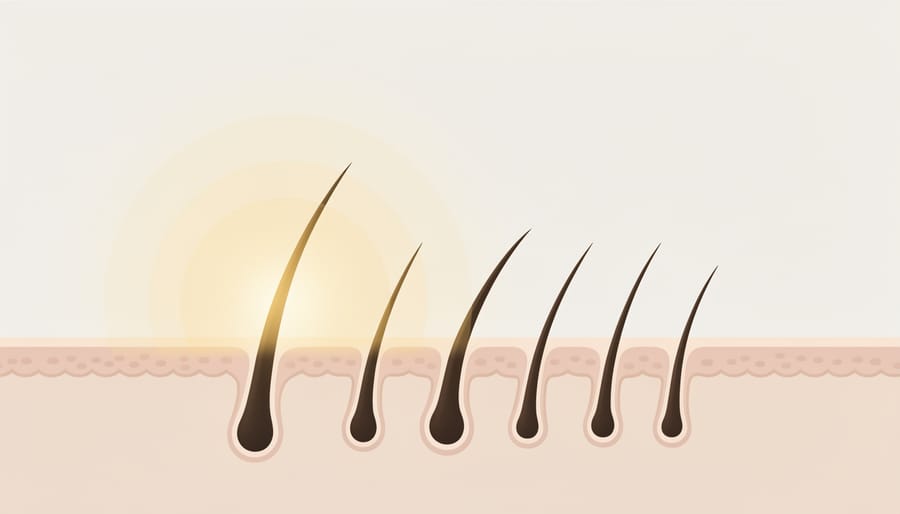
Laser treatment for hair loss uses low-level light therapy to stimulate cellular activity in hair follicles, improving hair thickness and reducing shedding in people experiencing androgenetic alopecia or pattern hair loss. The treatment works by energizing mitochondria within follicle cells, enhancing blood flow to the scalp, and potentially extending the active growth phase of the hair cycle. Clinical studies show that consistent use over several months can lead to noticeable improvements in hair density and caliber, though results vary based on the extent of hair loss and individual response.
If you’re noticing gradual thinning, a widening part, or reduced volume, you’re not alone. Hair loss affects millions of people and can significantly impact confidence and self-image. The good news? Laser therapy offers a non-invasive, FDA-cleared option that fits seamlessly into your routine without the downtime or side effects associated with more aggressive interventions.
At our clinic, we understand that every hair loss journey is unique. That’s why we begin with a comprehensive consultation to determine whether laser therapy is the right fit for your specific pattern and stage of hair loss. This personalized approach ensures you receive treatment tailored to your needs, supported by the latest technological advancements in low-level laser therapy devices. Whether you’re exploring options for the first time or looking to complement existing treatments, understanding how laser therapy works and what realistic outcomes look like will help you make an informed decision about your hair restoration journey.
What Is Low-Level Laser Therapy for Hair Loss?
Low-level laser therapy (LLLT) for hair loss uses specific wavelengths of red light to stimulate hair follicles without generating heat or causing damage to your scalp. Unlike ablative lasers used in skin resurfacing or hair removal that create controlled injury to tissue, LLLT operates at a much gentler energy level. The “low-level” designation refers to this reduced power output, which allows the light to interact with cells in a therapeutic way rather than cutting or burning tissue.
The technology delivers concentrated red light, typically in the 630-680 nanometer wavelength range, through laser diodes or LED arrays positioned close to your scalp. These photons penetrate your skin surface and reach the hair follicle cells beneath. Once absorbed, the light triggers a cellular response called photobiomodulation.
At the cellular level, this process works by energizing the mitochondria inside your follicle cells. Mitochondria function as the power plants of cells, producing the energy molecule ATP that fuels all cellular activities. When follicle cells receive more ATP, they can work more efficiently. This enhanced cellular metabolism strengthens weakened follicles, extends the active growth phase of your hair cycle, and can reactivate follicles that have become dormant but not yet permanently dead.
The treatment is completely non-invasive. You won’t feel heat, pain, or any cutting sensation because the laser energy level stays well below the threshold that would damage tissue. This makes LLLT fundamentally different from surgical hair restoration or aggressive cosmetic laser procedures.
FDA-cleared LLLT devices have undergone clinical testing to demonstrate both safety and effectiveness for treating androgenetic alopecia, the most common form of hair loss. The science shows that consistent exposure to these specific light wavelengths can improve hair density and thickness by optimizing the environment your follicles need to produce healthy hair strands.
How Laser Treatment Works to Combat Hair Loss
Understanding how laser treatment stimulates hair regrowth requires looking at what happens beneath your scalp when red light meets dormant follicles. The process is rooted in biology rather than magic, and it starts at the cellular level.
When a low-level laser device directs specific wavelengths of red light (typically 650 to 670 nanometers) onto your scalp, those photons pass through skin and tissue without causing heat or damage. They penetrate about three to five millimeters deep, precisely the zone where your hair follicles reside. Once there, the light energy triggers a cascade of biological responses that can wake up struggling follicles and push them back into active growth.
The transformation unfolds in distinct stages:
- Light absorption: Photons from the laser reach cells within your hair follicles, where they’re absorbed by chromophores, light-sensitive molecules inside the mitochondria, your cells’ energy powerhouses.
- Energy production boost: The absorbed light stimulates mitochondria to produce more adenosine triphosphate (ATP), the chemical that fuels cellular activities. This mitochondria stimulation mechanism increases the metabolic activity of follicle cells, essentially giving them more fuel to function properly.
- Improved circulation: Enhanced cellular activity causes nearby blood vessels to dilate. Research shows LLLT increases capillary flow around follicles, delivering more oxygen and nutrients to nourish cells that were previously starved for resources.
- Phase transition: With increased energy and nutrients, follicles that were stuck in the resting (telogen) phase begin shifting back into the growth (anagen) phase. This transition is what ultimately produces visible new hair.
- Reduced inflammation: The light also appears to decrease inflammatory cytokines around follicles, molecules that can contribute to follicle miniaturization and hair loss, creating a healthier environment for growth.
Think of it as recharging a weak battery. Your follicles haven’t necessarily died; they’ve simply become dormant or weakened due to reduced blood flow, inflammation, or genetic sensitivity to hormones. The laser provides the energy boost and improved conditions needed to reactivate them.
The beauty of this approach lies in its gentleness. Unlike surgical transplants or harsh chemical treatments, laser therapy works with your body’s existing cellular processes rather than forcing a change. There’s no burning, cutting, or introduction of foreign substances, just light harnessing the natural capacity of your cells to repair and regenerate.
Who Is an Ideal Candidate for Laser Hair Loss Treatment?
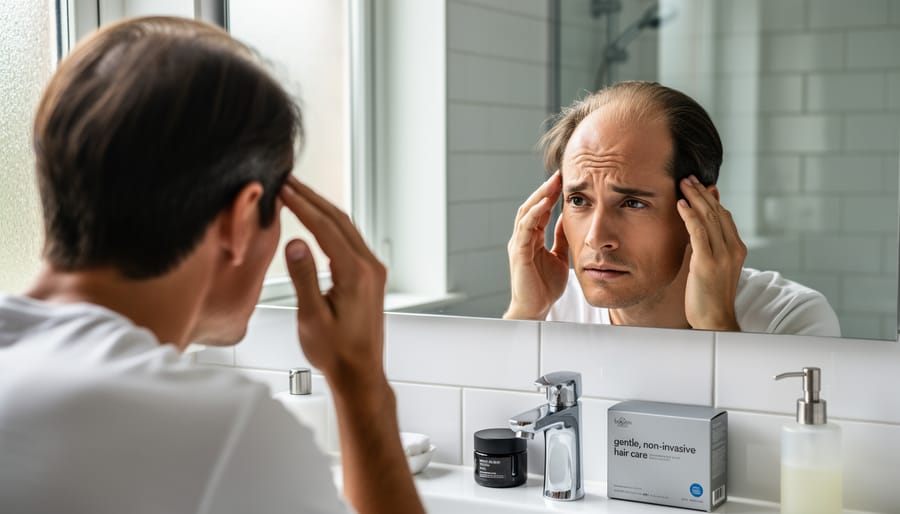
Low-level laser therapy works best for individuals experiencing androgenetic alopecia, the most common form of hereditary hair loss also known as male or female pattern baldness. If you’ve noticed gradual thinning at the crown, a widening part, or a receding hairline, you’re likely dealing with this type of hair loss, and LLLT can be particularly effective for you.
Timing matters significantly. People in the early to moderate stages of hair loss tend to see the most dramatic improvements because the treatment requires living hair follicles to respond. If your follicles have been dormant for years or the scalp has become completely smooth and shiny in thinning areas, those follicles may have miniaturized beyond the point where light therapy can revive them. The treatment strengthens and stimulates existing follicles rather than creating new ones from scratch.
You’re an ideal candidate if you still have some hair density in thinning areas, even if it’s fine or sparse. Women with diffuse thinning across the top of the scalp often respond well, as do men in the early stages of crown or vertex thinning. The technology works for all skin tones and hair types, though results vary by individual.
LLLT may not be suitable if your hair loss stems from causes other than androgenetic alopecia. Conditions like alopecia areata (an autoimmune disorder causing patchy hair loss), trichotillomania (compulsive hair pulling), or hair loss due to scarring won’t typically respond to laser treatment. Temporary shedding from stress, nutritional deficiencies, or hormonal changes like postpartum hair loss usually resolves on its own once the underlying issue is addressed.
During your consultation at Body Sculpting Laser Clinic, a thorough scalp assessment helps determine whether laser therapy aligns with your specific pattern and stage of hair loss. This personalized evaluation ensures you invest in a treatment that can genuinely benefit your situation rather than pursuing an approach unlikely to deliver the results you’re hoping for.
What to Expect During Your Laser Hair Loss Treatment
Initial Consultation and Assessment
Your journey toward hair restoration begins with a comprehensive consultation designed specifically around your unique situation. During this initial appointment, a trained specialist will carefully examine your scalp using specialized magnification tools to assess the extent and pattern of your hair loss. This detailed analysis reveals which areas are thinning, the health of existing follicles, and whether your hair loss is in its early or more advanced stages.
The specialist will also discuss your medical history, family patterns of hair loss, current medications, and lifestyle factors that might influence treatment outcomes. This conversation helps identify the underlying cause of your thinning hair and determines whether low-level laser therapy is the most appropriate solution for you.
Based on these findings, your practitioner develops a personalized treatment protocol. This plan outlines the recommended session frequency, treatment duration, and realistic expectations for your specific type of hair loss. You’ll leave this consultation with clear answers about what laser therapy can achieve for you and a roadmap for your hair restoration journey.
The Treatment Session Experience
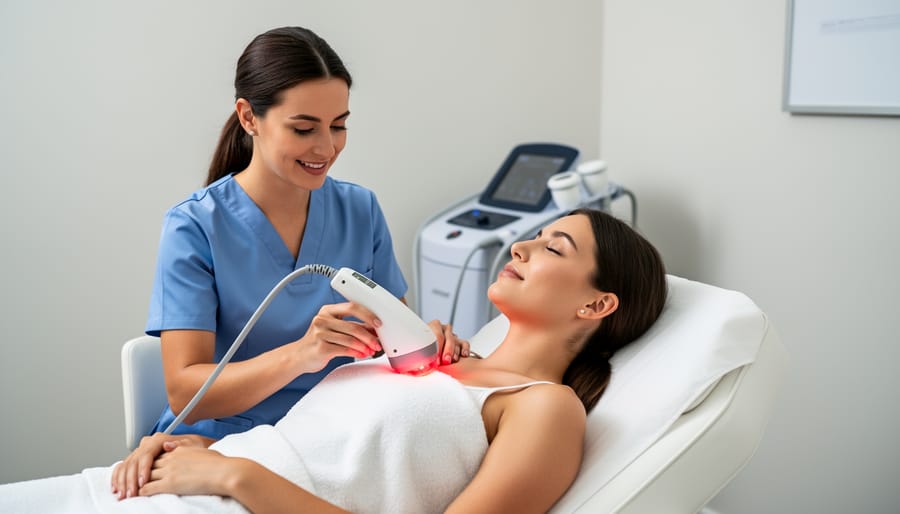
During a typical laser hair loss session, you’ll be comfortably seated or positioned beneath a specialized device that resembles a dome or hood, similar to what you might see in a traditional hair salon. The treatment device contains multiple low-level laser diodes that emit red light across your entire scalp simultaneously, ensuring even coverage of the treatment area.
You won’t feel any heat, pain, or discomfort during the session. Most clients describe the experience as completely relaxing, with no sensation at all from the laser light itself. You’re free to read, listen to music, or simply unwind while the technology works. There’s no need for anesthesia, numbing agents, or recovery time afterward.
Each session typically lasts between 15 and 30 minutes, depending on your personalized treatment protocol. The exact duration is determined during your initial consultation based on your specific hair loss pattern and treatment goals. You can return to your normal activities immediately after leaving the clinic, there’s no downtime or special post-treatment care required.
Results and Timeline: When Will You See New Hair Growth?
Results typically don’t appear overnight, and understanding this timeline prevents disappointment while keeping you motivated through your treatment journey.
Most people notice the first signs of improvement around three months into consistent treatment. You might see reduced hair shedding first, fewer strands on your pillow or in the shower drain. Around four to six months, many patients observe visible changes: new hair growth in thinning areas, increased density where hair had become sparse, and thicker individual strands. Maximum results usually develop between six and twelve months of regular treatment.
Your individual timeline depends on several factors. The severity and duration of your hair loss matters, early-stage thinning responds faster than long-established baldness. Age plays a role, as younger follicles generally reactivate more quickly. Your overall health, hormonal balance, stress levels, and nutritional status all influence how your scalp responds to therapy.
Consistency makes the biggest difference. Laser therapy works by gradually reactivating dormant follicles and strengthening existing ones through repeated exposure. Missing sessions disrupts this cumulative effect and delays results. Think of it like exercise, sporadic workouts won’t build muscle the way a regular routine does.
Some patients see dramatic improvement, others notice modest but meaningful changes. Hair that’s been completely gone for years won’t return, but follicles that have weakened or entered extended resting phases can often be revived. During your initial consultation, we’ll assess your specific pattern of loss and give you realistic projections based on your unique situation. Progress photos taken at regular intervals help track changes you might not notice day-to-day.

Combining Laser Treatment with Other Hair Restoration Approaches
Many patients achieve better results when laser therapy is combined with other scientifically backed hair restoration methods. Think of LLLT as energizing your follicles from the outside, while complementary treatments support hair growth from within and address different aspects of thinning.
PRP (platelet-rich plasma) hair restoration pairs especially well with laser therapy. While LLLT stimulates cellular activity through light energy, PRP delivers concentrated growth factors directly into the scalp tissue. This one-two approach tackles hair loss from multiple angles: the laser improves blood flow and cellular metabolism, while PRP provides the biological signals that trigger repair and regeneration. Many clinics, including Body Sculpting Laser Clinic, offer both treatments and can customize a protocol that alternates or combines them based on your specific pattern of loss.
Topical treatments like minoxidil work through a different mechanism than laser therapy, and research suggests they complement each other effectively. The improved circulation from laser sessions may actually help topical solutions penetrate better and reach the follicles where they’re needed most.
| Approach | Primary Benefit | Timeline Consideration |
|---|---|---|
| Laser therapy alone | Cellular stimulation, improved circulation | Results visible in 4-6 months |
| Laser + PRP | Enhanced growth factors, faster follicle activation | May see improvements 1-2 months earlier |
| Laser + topical treatments | Dual-action stimulation, better product absorption | Consistent daily use required |
| Comprehensive protocol | Addresses multiple causes simultaneously | Best long-term outcomes |
Don’t overlook the role of nutrition and lifestyle in supporting your treatment results. Hair follicles need adequate protein, iron, biotin, and other nutrients to respond optimally to any intervention. Managing stress, getting quality sleep, and avoiding harsh styling practices create the internal environment where laser therapy can work most effectively. Your treatment provider can help you identify which combination approach makes sense for your situation and budget.
Safety, Side Effects, and What You Need to Know
Low-level laser therapy has an excellent safety profile, which is one reason it’s gained popularity as a hair restoration option. The FDA cleared LLLT devices for treating hair loss in both men and women, recognizing their safety and effectiveness when used as directed.
The treatment is non-invasive and painless. Most people experience no side effects whatsoever. Occasionally, some individuals report mild scalp warmth or slight tingling during sessions, but these sensations are temporary and resolve immediately after treatment. Unlike medications for hair loss, LLLT doesn’t introduce chemicals into your body, so there’s no risk of systemic side effects.
There are very few contraindications. If you’re pregnant, have active scalp infections, or have been diagnosed with photosensitivity disorders, you should discuss these conditions with your provider before starting treatment. People with certain skin cancers on the scalp may also need to avoid laser therapy.
Professional administration matters significantly. While home devices exist, clinic-based treatments use more powerful, precisely calibrated equipment that delivers consistent results. At Body Sculpting Laser Clinic, our trained specialists assess your scalp condition, adjust treatment parameters for your specific needs, and monitor your progress throughout the process.
The treatment requires no downtime. You can return to your normal activities immediately after each session, including washing your hair and using styling products. This convenience, combined with the minimal risk profile, makes LLLT an appealing option for many people experiencing hair thinning.
Is Laser Hair Loss Treatment Right for You?
Deciding whether laser hair loss treatment fits your life starts with honest reflection on your goals and commitment level. If you’re noticing early signs of thinning or pattern hair loss and want a non-invasive option that works gradually, this treatment could align beautifully with your needs. It requires patience, results emerge over months, not weeks, and consistent attendance at scheduled sessions.
Consider your lifestyle, too. Can you commit to regular appointments over several months? Do you prefer treatments without downtime that let you return to your day immediately? Laser therapy suits busy professionals and parents who need flexibility without disruption.
Budget matters. While laser treatment represents an investment, many find the absence of surgical risks and recovery time justifies the cost. During your consultation, you’ll receive transparent pricing tailored to your specific treatment plan, so there are no surprises.
The most important step is speaking with qualified professionals who understand your unique hair loss pattern. At Body Sculpting Laser Clinic, we offer personalized assessments at our locations across the GTA, where our team evaluates your scalp health, discusses realistic outcomes, and designs a treatment approach that respects your timeline and budget. This isn’t a one-size-fits-all solution, it’s about finding what works for you. Book a consultation to explore whether laser therapy can help you reclaim confidence in your appearance.
Hair loss doesn’t have to be a permanent reality. Low-level laser therapy offers a scientifically-backed, non-invasive path forward for those experiencing thinning hair or pattern baldness. Unlike surgical interventions or harsh chemical treatments, LLLT works with your body’s natural processes to stimulate dormant follicles and encourage healthier hair growth.
The treatment is safe, FDA-cleared, and requires no downtime. You can return to your regular activities immediately after each session. While results require patience and consistency, many people begin seeing improvements within three to six months of regular treatment.
What matters most is finding the right approach for your specific situation. Every person’s hair loss pattern is unique, and what works best depends on factors like the stage of hair loss, underlying causes, and your individual biology. That’s why a professional assessment is essential.
At Body Sculpting Laser Clinic, our team takes the time to understand your concerns and develop a personalized treatment plan tailored to your goals. We’re here to help you explore whether laser therapy is the right choice for restoring not just your hair, but your confidence too. Schedule a consultation at one of our GTA locations to get started.