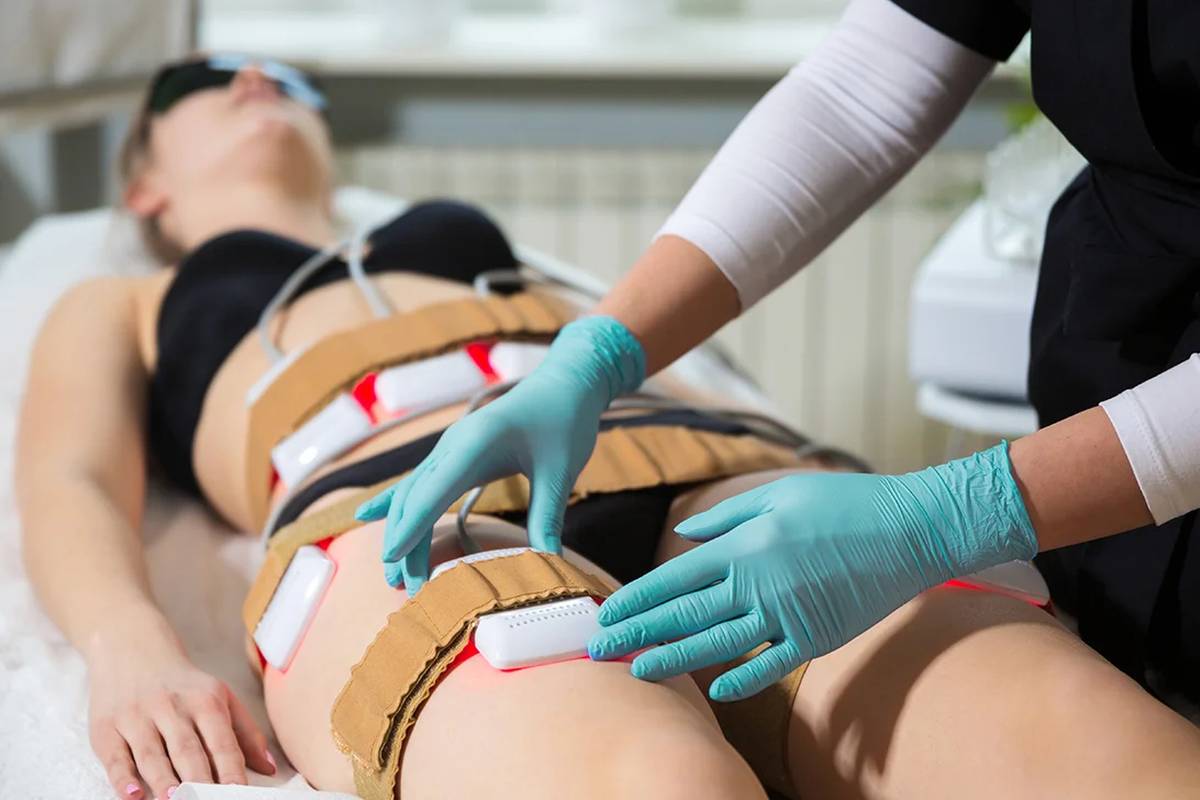
Properly wearing your FibroGuard post-liposuction recovery garment is a crucial step in supporting your healing process and achieving the smooth, contoured results you’re working toward. This specialized compression garment works by applying consistent, graduated pressure to treated areas, helping to minimize swelling, reduce fluid buildup, and encourage your skin to adhere smoothly to its newly sculpted contours. Your surgeon will provide personalized guidance on when to start wearing it and for how long each day, as these details vary significantly based on the extent of your procedure, your individual healing response, and the specific areas treated.
The good news? Once you understand the basic technique, putting on and adjusting your FibroGuard becomes a manageable part of your daily routine. Many patients feel anxious about whether they’re wearing their garment correctly, especially in those first few days when everything feels unfamiliar. This guide walks you through the complete process, from gathering what you need before you begin to verifying that your garment is positioned and fitted properly. We’ll cover the step-by-step technique for getting dressed without disrupting your incision sites, safety signs to watch for that indicate the compression may be too tight or incorrectly placed, and practical tips that make the experience more comfortable.
Just as prequel skincare treatments prepare your body for optimal results, your recovery garment plays a supporting role in the final outcome. Think of it as your partner in healing, working alongside your body’s natural processes to help you feel confident and secure during recovery.
What You’ll Need for Your Recovery
Before you begin wearing your FibroGuard garment, gather everything you’ll need to support a smooth recovery process. Having these items prepared in advance reduces stress during your initial post-surgical days when mobility and energy are limited.
The centerpiece of your recovery toolkit is the FibroGuard post-liposuction recovery garment itself, which typically ranges from US$84 to US$140 depending on the specific style and coverage area. Your surgeon will prescribe the appropriate garment type based on your treatment zones, whether abdomen, thighs, arms, or multiple areas. Most clinics either provide the garment as part of your surgical package or direct you to approved suppliers where you can purchase it before your procedure date.
Beyond the compression garment, stock up on these essential recovery items:
- Gentle, fragrance-free detergent for washing the garment between wears
- Soft cotton clothing that fits comfortably over the garment without creating pressure points
- Zinc oxide or silicone-based barrier cream to prevent skin irritation at garment edges
- A second compression garment if your recovery plan requires continuous wear while laundering
- Body wipes or no-rinse cleansing foam for gentle hygiene during the initial days when showering is restricted
- Front-closing shirts or dresses that eliminate the need to raise your arms overhead
Prepare a comfortable recovery space at home with pillows for elevation, easy access to hydration, and medications your surgeon prescribes. Keep your surgeon’s contact information and post-operative instruction sheet readily available. Some patients find it helpful to prepare meals in advance or arrange for assistance with daily tasks during the first few days. Your surgeon will provide specific guidance on when to begin wearing the garment and how to integrate it into your personalized recovery timeline.
Important Safety Considerations and When to Consult Your Surgeon
While compression garments like the FibroGuard are designed to support your recovery, improper use can lead to complications. Your surgeon will provide specific instructions tailored to your procedure and body, but certain warning signs should always prompt immediate attention.
Watch for signs that the garment is compressing too tightly. If you notice numbness, tingling, or a pins-and-needles sensation that persists beyond the first few minutes of wearing, the compression may be excessive. Your skin should maintain a healthy colour; pale, bluish, or mottled skin indicates restricted blood flow. Similarly, if your extremities feel unusually cold or you experience increased swelling below the garment edge, these are signs of circulation problems that need addressing.
Some patients develop skin irritation or allergic reactions to the garment material. Mild redness that fades quickly after removing the garment is normal, but persistent itching, welts, or a spreading rash suggests an allergic response. Contact your surgeon before continuing use if you experience these symptoms.
Never modify your garment by cutting, folding, or layering it with other compression wear unless your surgeon explicitly directs you to do so. These alterations can create pressure points or uneven compression that interferes with healing. If the garment feels uncomfortable or doesn’t seem to fit properly, schedule a follow-up appointment rather than adjusting it yourself.
Your surgeon’s instructions supersede general guidance. If you have questions about how long to wear the garment, when to remove it for showering, or whether specific sensations are normal, contact your surgical team. They understand your unique surgical approach and recovery needs better than any general resource can provide.
How to Properly Wear Your FibroGuard Garment
Getting the Right Fit
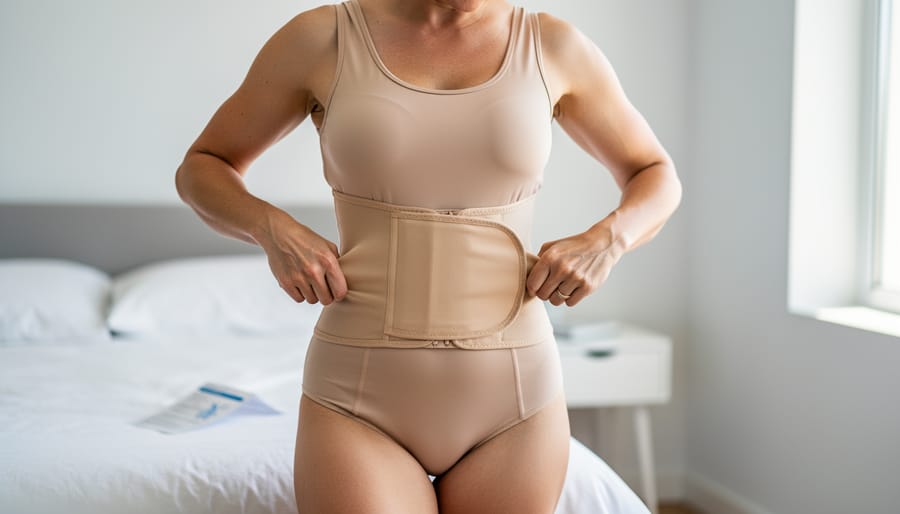
A properly fitted FibroGuard garment should feel snug without causing discomfort or restricting your breathing. The compression should distribute evenly across the treated areas, creating gentle but consistent pressure against your skin. You’ll know the fit is correct when you can slide two fingers between the garment and your body, move comfortably, and maintain normal breathing patterns.
Watch for signs that indicate the garment is too tight: visible skin indentations that don’t fade quickly, numbness or tingling in your limbs, difficulty taking deep breaths, or purple or blue discoloration of the skin. These symptoms require immediate adjustment and consultation with your surgeon. Conversely, if the garment slides around when you move, bunches up, or you notice gaps between the fabric and your skin, it’s likely too loose to provide effective compression.
Your surgeon will provide specific sizing recommendations based on your measurements and the areas treated. The garment’s fit may feel different as swelling decreases throughout your recovery, so report any significant changes in how it feels during your follow-up appointments.
Caring for Your Garment
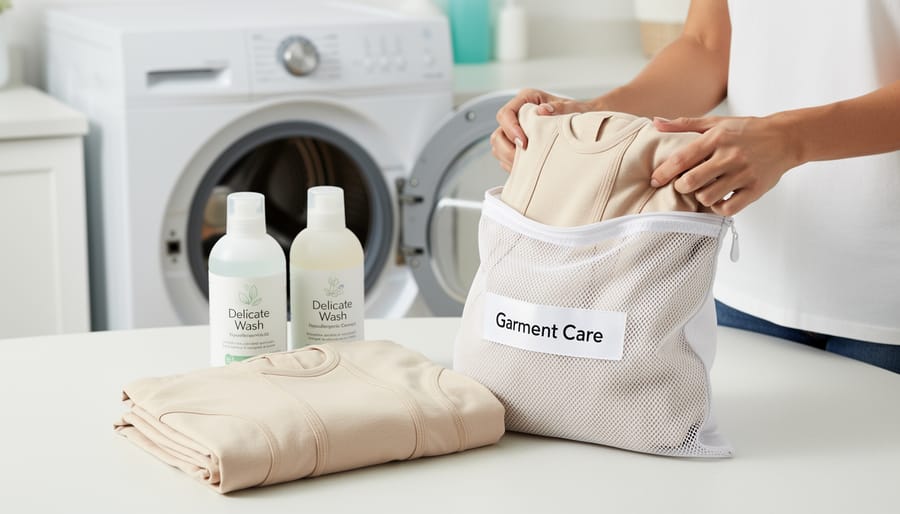
Proper garment care maintains compression effectiveness and prevents skin irritation during your recovery. Hand wash your FibroGuard garment in lukewarm water with mild, fragrance-free detergent every 1-2 days or as your surgeon recommends. Gently squeeze out excess water without wringing or twisting the fabric, which can damage the compression fibers.
Lay the garment flat on a clean towel to air dry, away from direct heat or sunlight. Never use a dryer, as high temperatures break down elastic fibers and reduce compression quality. Plan to have at least two garments so you can wear one while the other dries.
Replace your garment when you notice reduced compression, typically when the fabric feels loose, the elastic waistband stretches out, or the material develops runs or tears. A well-maintained garment supports consistent compression throughout your recovery period. Store clean garments flat or loosely folded rather than hanging them, which can stretch the elastic over time.
If you notice persistent odor despite regular washing or any signs of fabric breakdown, contact your surgeon’s office about replacement options to ensure continuous, effective compression support.
Monitoring Your Progress and What to Expect
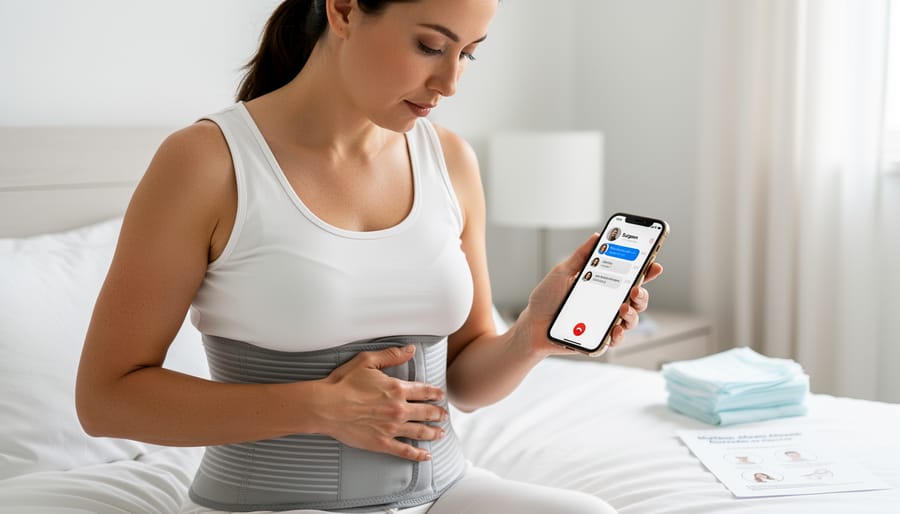
Tracking your recovery helps you understand whether the FibroGuard garment is supporting your healing as intended. Rather than focusing on calendar dates, pay attention to how your body feels and responds. Your surgeon will provide personalized guidance based on your specific procedure, but understanding general progress indicators helps you participate actively in your recovery.
Check the garment’s fit each time you put it on. Proper compression should feel snug but not restrictive, similar throughout the day rather than progressively tightening. If the garment begins to feel looser as your swelling changes, this indicates your body is responding to treatment, your surgeon can assess whether adjustments are needed. You should be able to breathe normally and move through basic daily activities without sharp pain or numbness.
Normal healing involves gradual changes rather than dramatic overnight shifts. Your treated areas may feel firm or slightly uneven at first, and this texture typically softens progressively. Skin sensation might feel different initially, with some areas experiencing temporary numbness or heightened sensitivity. These sensations evolve throughout your recovery timeline as tissues adjust.
Watch for signs that require immediate attention: increasing pain rather than decreasing discomfort, new areas of significant swelling, skin discoloration that spreads or darkens, warmth concentrated in one spot, or any drainage with unusual odor or color. These symptoms don’t necessarily indicate garment problems, but they warrant prompt evaluation. Similarly, if the garment creates persistent red marks that don’t fade within minutes of removal, or if you notice blistering or skin breakdown, contact your surgical team right away.
Common Questions About Post-Liposuction Compression Garments
Recovery from liposuction raises many practical questions, especially when it comes to wearing compression garments correctly. Here are answers to concerns we frequently hear from patients, though your surgeon’s specific instructions should always take precedence over general guidance.
Can I shower while wearing my FibroGuard garment?
You’ll need to remove the garment for showering, following your surgeon’s timeline for when you can safely get the surgical sites wet. Have a clean backup garment ready so you can put fresh compression back on immediately after drying off.
What if the garment becomes uncomfortable or irritating?
Some initial adjustment period is normal, but persistent discomfort, skin irritation, or painful pressure points signal a fit issue that requires your surgeon’s attention. Never tolerate pain or numbness, these warrant immediate consultation.
How do I handle sleeping in a compression garment?
Most patients adapt within a few nights by wearing soft, smooth clothing underneath and positioning pillows strategically for support. If sleep disruption persists beyond the first week, discuss timing adjustments with your surgical team.
Can I exercise or return to work while wearing the garment?
Your surgeon will provide a phased activity timeline based on your specific procedure and healing progress. The garment should move with you during approved light activities, but strenuous exercise requires medical clearance first.
Many patients also wonder about coordinating garment wear with their follow-up appointments and overall healing timeline. Your surgical team will track your progress at scheduled check-ins, adjusting garment recommendations as your body heals. For a broader view of what to expect throughout your recovery journey, our post-lipo recovery guide outlines the complete healing process from surgery through final results.
Remember that everyone’s recovery follows a unique path. Questions about your specific situation, whether about adjusting wear schedules, switching garment styles, or addressing unexpected symptoms, deserve personalized answers from the medical professionals who performed your procedure and know your case intimately.
Your recovery journey with the FibroGuard garment is unique to you, shaped by your individual procedure, body, and healing response. While this guide provides a foundation for proper garment use, your surgeon’s specific instructions always take precedence, they know your case intimately and can tailor recommendations to your needs.
Successful post-liposuction recovery depends on following personalized care plans, not one-size-fits-all timelines. Pay attention to how your body responds, ask questions when uncertainties arise, and maintain open communication with your surgical team throughout the healing process.
At Body Sculpting Laser Clinic, we understand that comprehensive post-procedure support makes all the difference. Our team provides detailed compression garment tips and personalized guidance at every recovery stage. We’re committed to walking alongside you from consultation through complete healing, ensuring you have the knowledge, tools, and support needed for optimal results. Your comfort and safety remain our top priorities as you work toward your aesthetic goals.