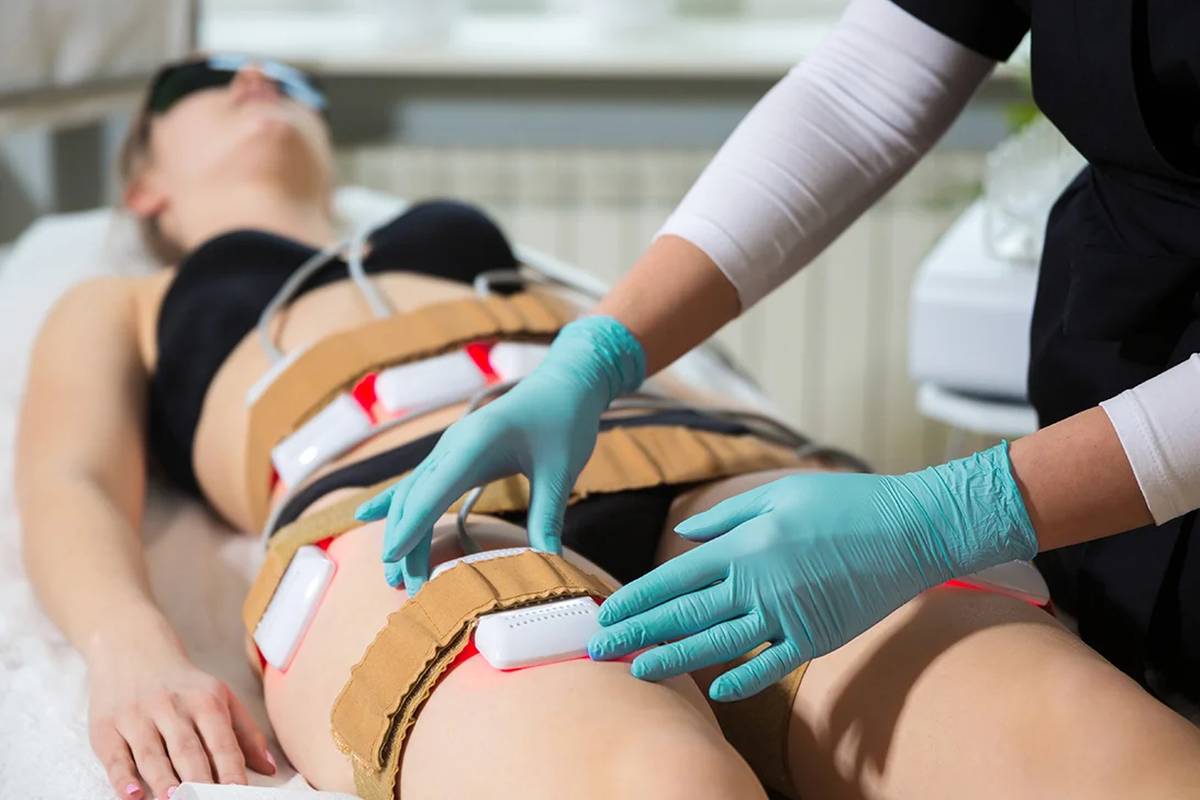
Three weeks after liposuction, you’re at a crucial checkpoint where initial swelling has begun to subside and you can start seeing glimpses of your new contour, though you’re likely still experiencing tightness, numbness, and continued swelling that may feel discouraging. This is completely normal. At this stage, most patients can return to desk work and light daily activities, but your body is still in active healing mode and requires continued care and patience.
Understanding what to expect right now helps you distinguish between typical recovery signs and symptoms that warrant a call to your surgeon. The three-week mark often brings a mix of excitement and frustration. You might notice your clothes fitting differently in some areas while others still feel swollen or firm. You may also be tempted to resume your full exercise routine or judge your final results, but this milestone is just one point along your complete post-lipo timeline.
Every patient’s healing journey unfolds differently based on the treatment areas, technique used, and individual factors like age, skin elasticity, and adherence to post-operative instructions. What you’re experiencing today is part of a gradual transformation that will continue evolving for months ahead.
The 3-Week Mark: Where You Are in Your Recovery Journey
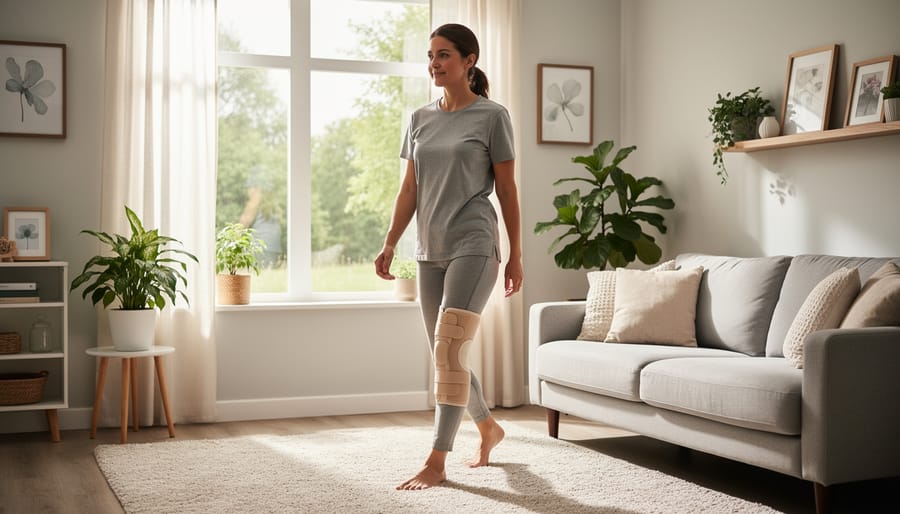
At three weeks post-liposuction, you’re in what many surgeons describe as the transitional phase of recovery. The dramatic initial swelling that peaked in the first days has diminished significantly, yet your body is still actively remodeling and healing beneath the surface. This is when many people begin to see glimpses of their new contours while simultaneously experiencing moments of frustration with ongoing swelling or firmness that seems to fluctuate.
What’s happening physiologically during this period is more complex than what you can observe in the mirror. Your lymphatic system is working to clear residual fluid from the treated areas, a process that happens gradually rather than uniformly. The small blood vessels that were disrupted during the procedure are regenerating, and your body is laying down new collagen fibers that will eventually create the smooth, firm result you’re working toward. These tissues need time to organize and settle into their final configuration.
The continued swelling you’re experiencing now differs from early recovery. Rather than the generalized puffiness of the first week, you might notice specific areas that retain fluid or feel particularly firm. This unevenness is your body’s way of prioritizing healing in different zones, and it doesn’t indicate a problem with your results. Some mornings you’ll wake up looking noticeably better, while other days the swelling seems to have returned, this fluctuation is completely normal and reflects factors like hydration, activity level, salt intake, and even your menstrual cycle.
Your skin is also adapting to the new underlying contours, gradually contracting and conforming to the reduced volume beneath it. This process relies on your skin’s natural elasticity and occurs over an extended timeline that varies from person to person.
Physical Changes You May Notice at Three Weeks
Swelling and Fluid Retention
At three weeks, the swelling you’re experiencing is fundamentally different from what you dealt with in the first days after your procedure. Early post-operative swelling resulted primarily from the trauma of the procedure itself, your body’s immediate inflammatory response to surgical intervention. Now, you’re experiencing what’s often called secondary swelling, a natural part of the deeper healing process as your tissues reorganize and lymphatic drainage pathways reestablish themselves.
This lingering swelling tends to be less uniform than early recovery. You might notice that certain areas appear more swollen in the evening or after standing for extended periods, then improve somewhat overnight. This fluctuation is completely normal and reflects your body’s ongoing work to process fluid through healing tissue. The swelling may also feel different, less dramatic overall, but perhaps more noticeable in specific zones where tissue healing is more active.
Your lymphatic system, which helps clear excess fluid, is still recovering its full efficiency. This explains why swelling persists even as other aspects of recovery progress. Understanding that this process continues for weeks and even months helps set realistic expectations for the gradual refinement of your results.
Skin Texture and Firmness
Your skin may feel noticeably different at the three-week mark, and this change often catches people by surprise. Areas treated with liposuction frequently feel firm, sometimes almost hard to the touch, particularly where more fat was removed. You might notice uneven patches, lumps beneath the skin, or sections that feel rope-like or dense when you press on them.
These texture changes are a normal part of your body’s healing response. During recovery, your tissues are repairing themselves and adapting to their new contours. The firmness you feel often results from healing tissue, residual swelling, and your body’s natural response to the procedure. Think of it as your skin adjusting to its altered landscape underneath.
Some people also experience areas of numbness or altered sensation alongside these texture changes. Your nerves are healing too, which takes time. The lumpy or uneven feeling typically softens gradually as healing progresses, though the timeline varies considerably from person to person.
Rather than focusing on when these changes should resolve, pay attention to whether they’re improving over time, even slowly. If you notice increasing hardness, new lumps developing, or areas becoming more painful rather than gradually more comfortable, mention these observations to your treatment provider during your follow-up appointments.
Activity Guidelines for Week Three
Movement and Exercise
At three weeks, many patients feel ready to reclaim more of their active lifestyle. Your body has made significant progress since the procedure, and carefully reintroducing movement supports continued healing while helping you regain strength and flexibility.
Most treatment providers encourage light walking throughout recovery, and by this stage, you may extend your walks or increase your pace as comfort allows. Gentle stretching, casual cycling on flat terrain, or swimming (if incisions are fully healed) often receive approval around this time. The key is gradual progression, adding intensity slowly rather than jumping back to pre-procedure routines.
High-impact activities, heavy lifting, and intensive cardiovascular or resistance training typically remain on hold until your surgeon provides explicit clearance. Every patient heals differently, and your treatment team bases their recommendations on your specific procedure, treatment areas, and healing progress. Pushing too hard too soon can increase swelling, prolong discomfort, or compromise your results.
Listen to your body’s signals. Mild fatigue after activity is normal, but sharp pain, increased swelling, or unusual discomfort means you should scale back and consult your provider. Think of this phase as building a foundation, each week’s measured progress supports the long-term outcome you’re working toward. Your surgeon’s guidance remains your most reliable compass for safely expanding your activity level.
Daily Life and Work
Most patients find they can return to desk-based work during this phase, though comfort levels vary. If your role involves prolonged sitting, take brief standing breaks throughout the day to promote circulation and reduce stiffness. Your compression garment remains essential during work hours, choose professional clothing that accommodates it comfortably without creating additional pressure points.
Around the house, you’ll likely manage routine tasks like cooking, light cleaning, and grocery shopping without difficulty. However, activities requiring repetitive bending, heavy lifting, or sustained awkward positions may still cause discomfort. Spread household tasks across the day rather than tackling everything at once, and don’t hesitate to accept help with more demanding chores.
Social engagements become more manageable now, though you might still experience some tenderness in treated areas when sitting for extended periods. Restaurant dining, casual gatherings, and light social activities typically fit well within your capabilities. Following your surgeon’s personalized recovery guidelines ensures you stay active without compromising your healing progress.
The key is balancing increased activity with continued rest. Your body still requires energy for tissue repair, so fatigue serves as a useful signal to pace yourself appropriately.
Compression Garment Protocol
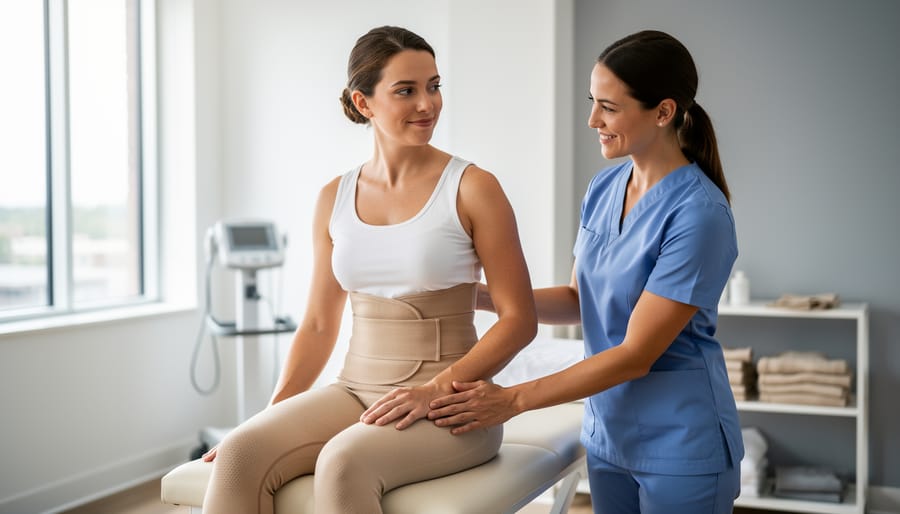
At three weeks, your compression garment remains a key part of your healing process. While early recovery often required continuous wear day and night, many patients at this stage transition to a modified schedule, though your compression garment protocol will depend on your surgeon’s assessment of your individual progress and the areas treated.
The garment continues to support your body by helping tissues adhere smoothly to underlying structures, managing residual fluid, and providing comfort as sensation returns to treated areas. Some providers recommend reducing wear time gradually, perhaps shifting to nighttime-only use or scheduled intervals throughout the day, while others prefer consistent wear for a longer period. The texture of the fabric against healing skin can feel different now compared to the immediate post-procedure phase as your sensitivity changes.
You may notice that the garment feels looser as swelling decreases, which can be a positive sign of progress. However, it should still provide gentle, even pressure across treated areas. If the fit has changed significantly, discuss this with your treatment team to determine whether adjustments or a different size would better support your continued recovery.
Signs to Discuss with Your Treatment Provider
Your recovery journey requires active partnership with your treatment team, and knowing which signs warrant a conversation helps you stay informed without becoming overly anxious. Most recovery experiences at three weeks proceed smoothly, but maintaining open communication ensures any concerns are addressed promptly.
Contact your treatment provider if you notice increasing redness, warmth, or tenderness in the treated areas, particularly if these symptoms worsen rather than gradually improve. While some degree of firmness and sensitivity is normal, sudden changes or intensification of these sensations deserve professional evaluation.
Persistent or worsening swelling in one specific area, especially when accompanied by warmth or discomfort, should be discussed with your medical team. Similarly, any unusual discharge from incision sites, changes in skin color beyond typical bruising patterns, or developing hardness that feels different from the general firmness of healing tissue warrants attention.
Pay attention to how you feel overall. Unexplained fatigue that significantly worsens, fever, chills, or general feelings of unwellness aren’t typical at this stage and should prompt contact with your provider. These symptoms don’t necessarily indicate complications, but they’re worth professional assessment.
Trust your instincts about what feels normal for your body. If something concerns you or seems different from what you expected based on your pre-operative discussions, reaching out is always appropriate. Your treatment team would rather address a question that turns out to be routine than have you worry unnecessarily or miss something that needs attention.
Remember that your provider’s role extends well beyond the procedure itself. They’re your resource throughout recovery, and no concern is too small to discuss when it comes to your healing and peace of mind.
Supporting Your Results Through Nutrition and Hydration
Your nutritional choices during recovery directly influence how efficiently your body repairs tissue and manages inflammation. While healing at the three-week mark, your cells remain actively working to rebuild treated areas, making what you consume genuinely important for supporting this process.
Hydration stands as one of your most powerful recovery tools. Adequate fluid intake helps your lymphatic system process residual swelling, supports circulation to healing tissues, and maintains skin elasticity as your new contours emerge. Water remains your primary choice, though herbal teas and water-rich foods like cucumber, watermelon, and citrus fruits contribute meaningfully to your hydration goals.
Anti-inflammatory nutrition supports your body’s natural healing mechanisms without requiring dramatic dietary changes. Colourful vegetables, particularly leafy greens and cruciferous options, provide compounds that help manage inflammation. Omega-3-rich foods such as salmon, walnuts, and ground flaxseed offer similar benefits. Berries deliver antioxidants that support cellular repair, while herbs like turmeric and ginger contain natural anti-inflammatory properties.
Protein deserves particular attention during recovery, as your body requires adequate amounts to rebuild tissue effectively. Lean poultry, fish, eggs, legumes, and Greek yogurt provide essential building blocks without excess saturated fat that might promote inflammation.
Just as prequel skincare treatments prepare your body for optimal results, thoughtful nutrition supports maintaining those outcomes. Minimize processed foods, excess sodium, and refined sugars, which can contribute to fluid retention and inflammation. Your surgeon or a registered dietitian can offer personalized guidance aligned with your specific recovery needs.
Managing Expectations: The Road Ahead
At three weeks, you’re witnessing the beginning of your transformation rather than its completion. Your body continues to heal and refine its new contours well beyond this early checkpoint, with changes happening gradually as internal tissues settle and residual swelling diminishes. The improvements you’ll see are incremental, each week bringing subtle refinements that accumulate into the final result your surgeon envisioned.
This extended timeline requires patience, which can feel challenging when you’re eager to see your complete results. You might notice that progress seems slower now than during the first few weeks, or that certain areas appear to change more quickly than others. These variations are completely normal. Your skin continues adapting to its new contours, tissues remodel themselves, and any remaining fluid gradually processes through your lymphatic system.
Rather than focusing on a specific endpoint, think of your recovery as an ongoing evolution. Taking progress photos at regular intervals can help you appreciate changes that might otherwise feel imperceptible day to day. Trust the process your body is working through, maintain the healthy habits that support healing, and stay connected with your treatment provider who can guide you through each phase of this journey with personalized insight into your individual progress.
Reaching the three-week mark is a significant milestone, but your recovery journey continues to unfold in the weeks and months ahead. The changes you’re experiencing now are part of a gradual transformation that requires ongoing patience and self-care. While you may already notice improvements in your contour, the most dramatic refinements will emerge as your body continues to heal and adjust to its new shape.
Stay in close contact with your treatment provider throughout this process. Share your observations, voice any concerns, and attend all scheduled follow-up appointments. These check-ins aren’t just routine, they’re opportunities to ensure your recovery stays on track and to receive guidance tailored specifically to your progress.
At Body Sculpting Laser Clinic, we’re committed to supporting you through every phase of your transformation. Our team understands that recovery doesn’t end when you leave our office, which is why we provide ongoing guidance and personalized care designed around your unique healing journey. Your success matters to us, and we’re here to help you achieve the beautiful, lasting results you deserve while feeling confident and supported every step of the way.